
Every winter, the same conversation happens. You drag out the rugs, seal the gaps around the back door, close every room you’re not using, and still end up huddled next to a heater wondering why your house is this cold.
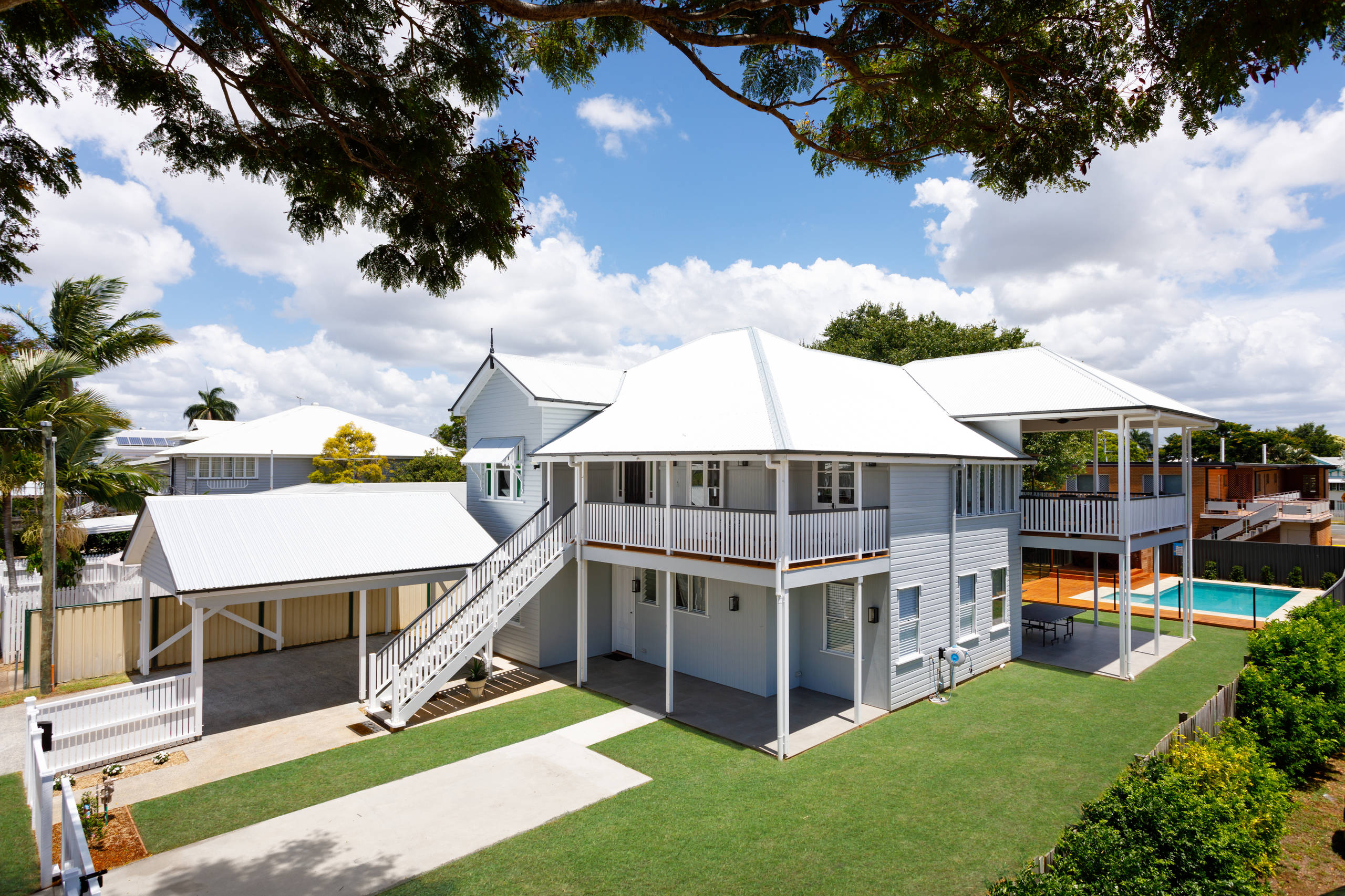
If you own a Queenslander, you already know the answer. These homes were built for Brisbane’s summers, not its winters. And while the quick fixes help at the margins, they don’t change what the house fundamentally is: raised off the ground, full of louvres and gaps, with walls that have little to no thermal mass and ceilings that were never insulated.
The rugs and the draught tape have done all they can. At some point, the only real fix is a winter renovation.
Why Queenslanders get So Cold
Queenslander homes were designed for summer. They were raised on stumps to catch the breeze underneath, built with louvred windows to let air move through, and made from lightweight timber construction that doesn’t hold heat. All of that works brilliantly in January. In July, it works against you.
Add to that the fact that most were built before insulation was standard, and you’ve got a home that loses heat through the ceiling, the floor, and every gap around every window and door. The structure itself is the problem. You can’t fix that with a trip to Bunnings.
Why DIY fixes only go so far
DIY winter renovation fixes like draught sealing, rugs, and curtains do make a difference, and if you haven’t done them yet they’re worth doing. But they’re managing the symptoms, not addressing the cause.
Ceiling insulation helps with heat loss through the roof. It doesn’t do anything about the cold air moving up through the floorboards, or the single-pane louvres that effectively function as open windows in winter, or the fact that the whole building envelope was never designed to hold heat in the first place.
You can spend a few hundred dollars every year making a cold Queenslander more bearable. Or you can fix it once.
What a Winter Renovation Fixes
Windows and louvres. Louvres are the single biggest thermal weak point in most Queenslanders. Replacing them with properly sealed, double-glazed windows makes an immediate and noticeable difference to how the home holds heat in winter. It also helps in summer by keeping the cool air in. It’s one of the more common changes we make in Queenslander renovations and the feedback from homeowners is consistent: it changes how the house feels.
Underfloor insulation. One of the advantages of a raised Queenslander is that the subfloor is accessible. Insulating underneath the floor as part of a renovation addresses something no rug can properly fix. Cold floors in winter are a structural problem, and this is the structural solution.
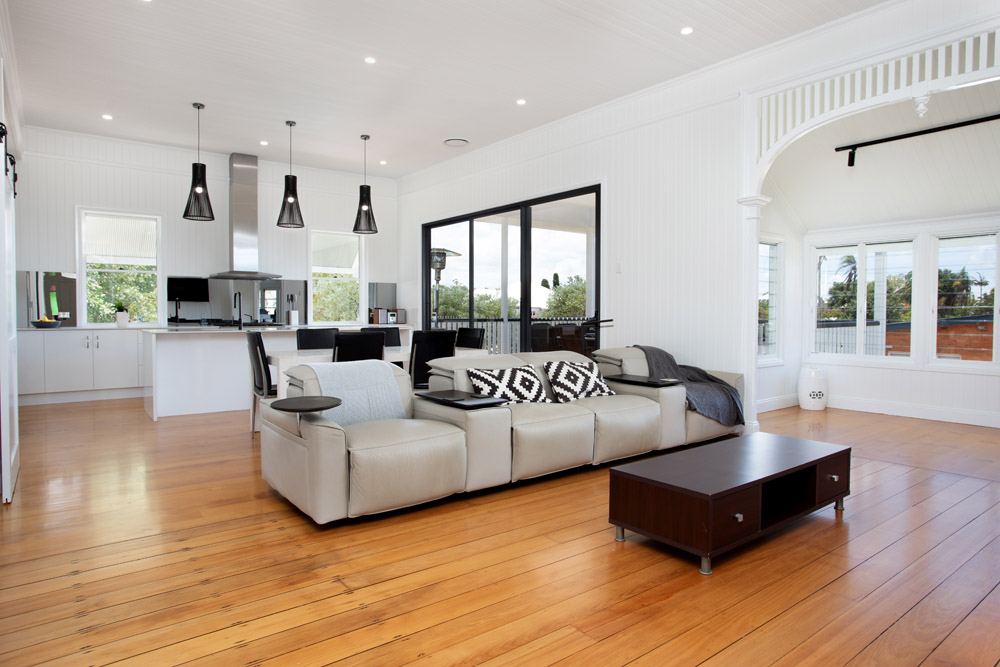
Enclosed extensions. Many Queenslanders have verandas or semi-open areas that bleed heat constantly. Enclosing part of that space and building it to current energy standards gives you a room that’s properly insulated from day one. These tend to become the most comfortable rooms in the house year-round.
The whole building envelope. A renovation is the only opportunity to treat the home as a system rather than a collection of individual problems. Insulation in walls and ceilings, properly sealed windows, airtightness where it matters. A well-renovated Queenslander can be genuinely warm in winter without running a heater on full the whole time. That’s not something any amount of DIY gets you to.
What it Means for your Energy Bills
A cold home is also an expensive home to heat. If you’re running reverse cycle or space heaters through winter in a home that’s leaking heat through the floor, the windows and the ceiling, you’re paying for warmth that’s disappearing almost as fast as you generate it.
Improving the thermal performance of the home through renovation means less energy needed to stay comfortable. Over time, that adds up. It also adds to the value of the home in a market where buyers are increasingly aware of running costs.
The Honest Question to ask Yourself
In our experience, letting the cold in is rarely the only problem with an older home. It’s usually the thing that finally pushes the conversation about everything else: the layout that doesn’t work, the bathroom that needs replacing, the kitchen that hasn’t been touched since the 80s.
If that sounds familiar, the renovation conversation is probably overdue. Winter is actually a good time to have it, when the problem is front of mind and you’ve got time to plan before the warmer months when building tends to get busy.
We’re happy to talk through what’s possible for your home. Get in touch.