
Do you need council approval for a home renovation? It’s one of the first questions homeowners ask, and for good reason. No one wants to get halfway through a build and find out something should have been approved months earlier.
The short answer is: sometimes you do, sometimes you don’t. It depends on the type of work, where your home is located, and how much you’re changing.
If you’ve been wondering whether you’ll need council approval for your renovation, this guide will walk you through what usually requires approval in Brisbane and what doesn’t.
What is home renovation council approval?
When people talk about home renovation council approval, they’re usually referring to formal permission from your local council to carry out certain building works.
This can include:
- Planning approval (zoning, overlays, neighbourhood rules)
- Building approval (structural safety and compliance with the Building Code of Australia)
Before some types of work begin, it needs to be assessed and signed off. Not every project needs this, but the ones that do tend to be the bigger or more visible changes.

Renovations that need approval
As a general rule, anything that changes the structure, footprint, or use of your home will need approval. This includes home extensions and additions, house raising, removing or altering load-bearing walls, garage conversions, and granny flats or secondary dwellings.
Pools are worth mentioning here too. In-ground pools require both building approval and council approval, plus a pool fence certificate before use. Above-ground pools skip the building approval step but still need a pool fence certificate. The rules can vary depending on your local council, so it’s worth checking with them directly before you commit to anything.
If you’re planning a full home extension or a large-scale remodel, council approval is almost always part of the process.
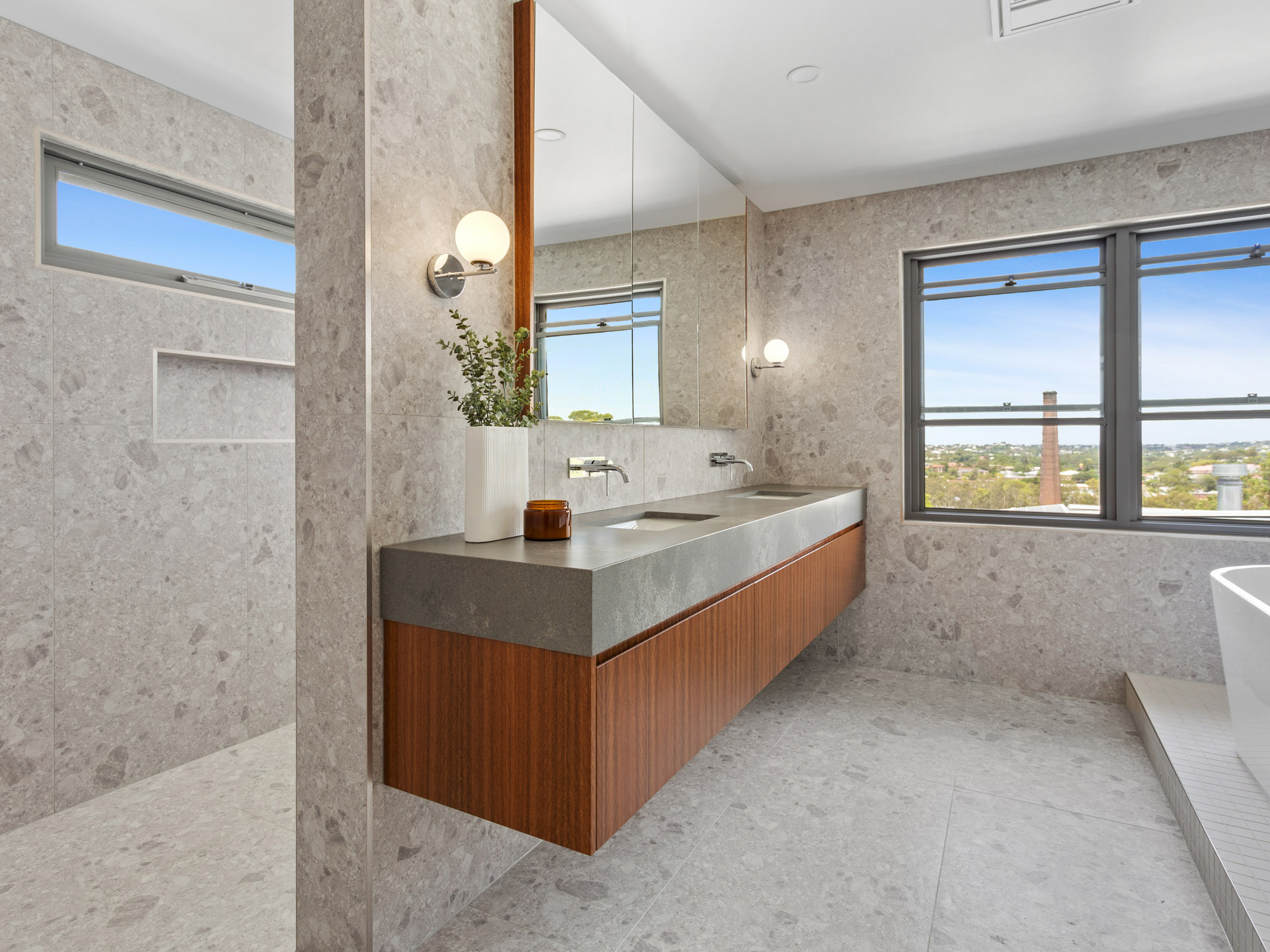
Do I need council approval for bathroom renovation?
This is where things get a bit more relaxed. If you’re updating an existing bathroom without changing the layout too much, you usually won’t need council approval. That includes:
- Replacing tiles, fixtures, or fittings
- Updating a vanity, shower, or bath
- Minor plumbing changes within the same space
However, there are exceptions. You may need approval if you’re moving plumbing to a new location, adding a new bathroom where there wasn’t one before, or if structural changes are involved.
Even when council approval isn’t required, the work still needs to meet building and plumbing standards. This is why it’s worth using licensed trades or a renovation company that handles bathrooms properly from start to finish.
What about kitchens and internal renovations?
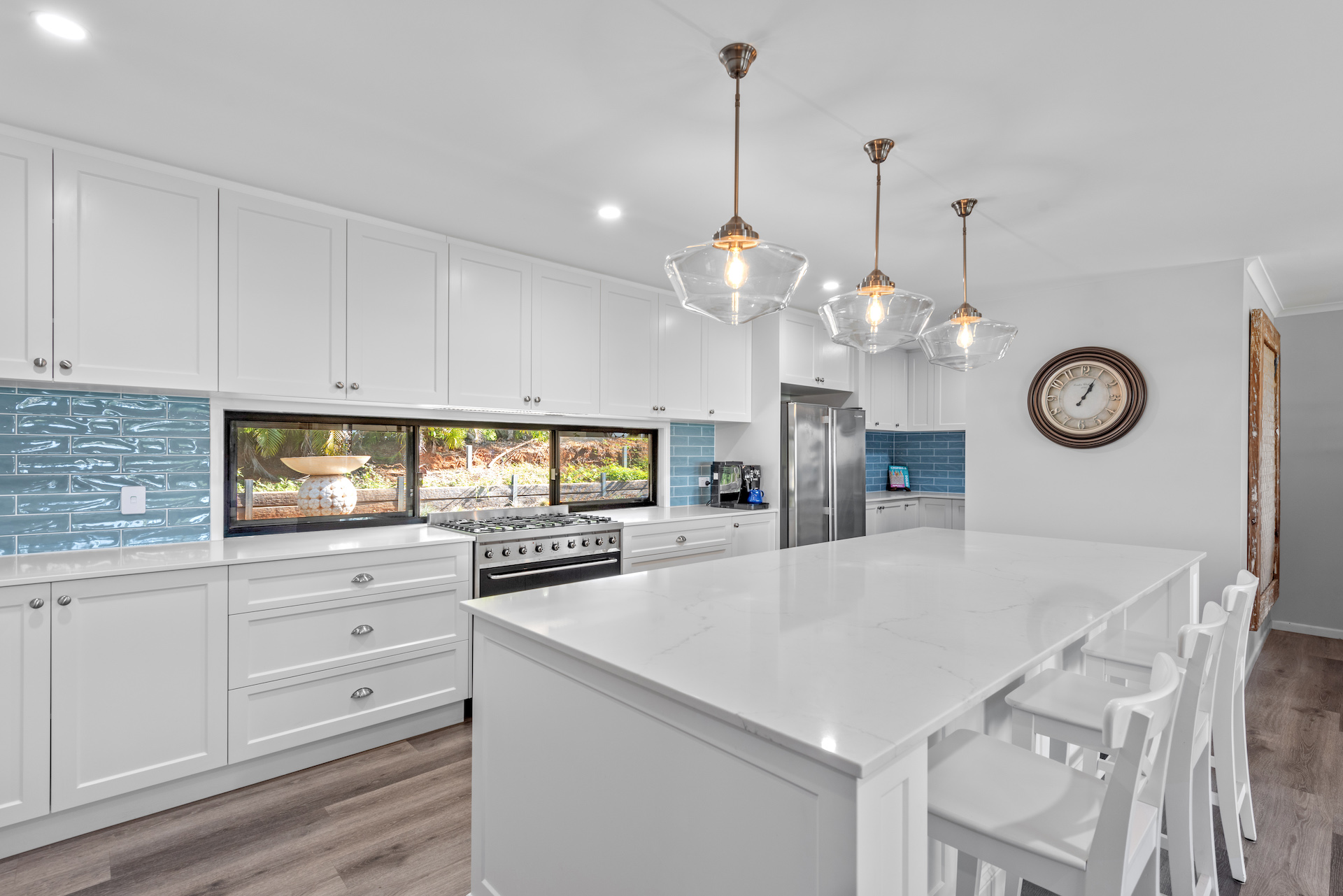
Kitchens follow a similar pattern to bathrooms. If you’re keeping the layout roughly the same and updating cabinetry, benchtops, or appliances, you won’t usually need permits for home renovation work.
But approval may be required if:
- You’re removing structural walls
- You’re significantly changing plumbing or gas lines
- The renovation affects fire safety or ventilation requirements
A lot of kitchen renovations sit in that grey area. They don’t need formal council approval, but they do involve compliance with building codes. We often see homeowners underestimate this part, especially when walls come down or layouts change.
Local overlays and zoning rules
Even smaller projects can need approval if your property has specific planning overlays. In Brisbane, this can include:
- Character or heritage overlays
- Flood zones
- Bushfire or environmental areas
If your home sits in one of these zones, council may have a say in what you can and can’t change, even for relatively modest work. This is where council approval becomes less straightforward. Two identical projects can have different requirements depending on location.
The risk of skipping permits
It can be tempting to push ahead without approvals, especially if the work seems minor. But it can come back to bite later. Common issues include:
- Problems when selling the property
- Insurance complications
- Fines or orders to rectify non-compliant work
We’ve seen cases where homeowners had to undo completed renovations because they didn’t get the right home renovation permits upfront. It ends up costing more than doing it properly the first time.
How to make the process easier
The approval process isn’t always complicated, but it does involve paperwork, drawings, and coordination. If you’re planning something like a home extension, major bathroom upgrade, or a full internal renovation, it’s worth having someone manage this for you.
A few practical steps:
- Check with your local council early
- Speak to a builder or designer before finalising plans
- Allow time in your project timeline for approvals
Final thoughts
So, do you need council approval for a home renovation? If the work is structural, changes your home’s footprint, or is affected by zoning rules, then yes, you probably will. If it’s more of a cosmetic update, like a standard bathroom or kitchen refresh, then you likely won’t.
The tricky part is the in-between projects. That’s where most confusion sits, and where getting advice early can save time and stress. If you’re unsure, it’s always better to ask before work begins. It’s a small step that can prevent bigger problems down the track.
Need advice on your home renovation project? Talk to our friendly team.