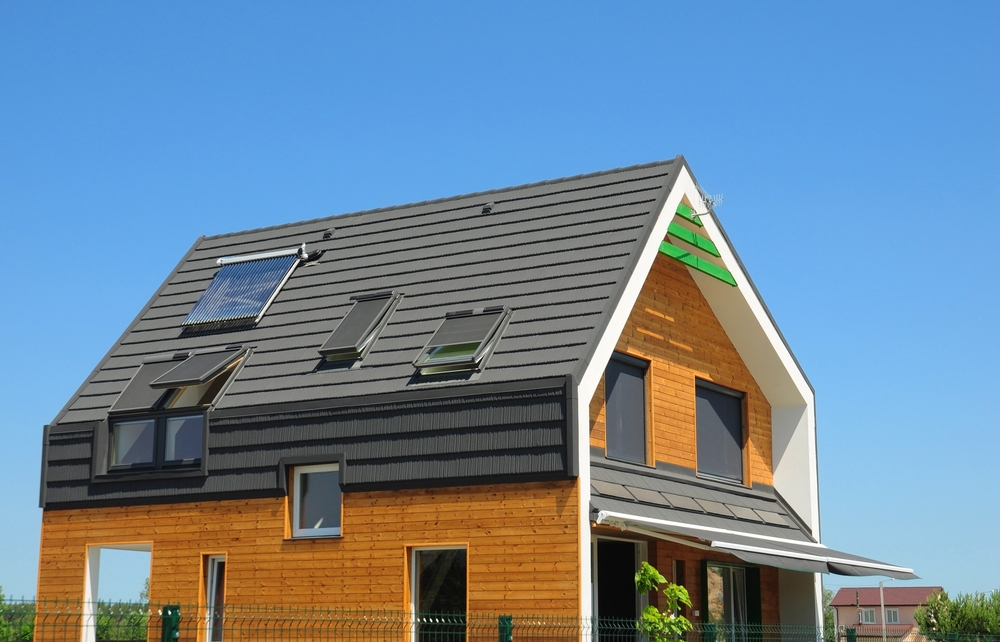
Passive houses are becoming a popular option for sustainable living. They offer unmatched comfort, drastically reduced energy bills, and healthier indoor environments. At their core, passive homes are designed to maintain consistent indoor temperatures and fresh air flow while using very little energy. This passive house guide explains the principles, design strategies, construction methods, and technologies behind passive homes, along with practical information about costs, benefits, and how to get started.
What is a Passive House?
A passive home is a building constructed to rigorous energy efficiency standards that drastically reduce the need for heating and cooling. First developed in Germany in the 1990s, the “Passive House” standard (or Passivhaus) has since spread worldwide. The idea is simple: create a building envelope so efficient that it relies on natural heat sources, solar gain, and mechanical ventilation rather than traditional heating and cooling systems.
Passive homes use up to 90% less energy than conventional homes, making them one of the most effective solutions for reducing household energy use and carbon footprints.
The Five Core Principles of Passive Design
Every passive home is built around five key principles:
1. Super-Insulation
Passive homes feature thick, high-performance insulation in walls, floors, and roofs. This insulation ensures that heat stays inside during winter and outside during summer. Unlike conventional homes, which often suffer from temperature fluctuations, a passive home maintains stable comfort levels all year.
2. Airtightness
Through eliminating drafts and air leaks, passive homes control the movement of air through the building envelope. Special membranes, tapes, and sealants are used to achieve airtightness. While this might sound like it would make the home stuffy, it’s balanced with advanced ventilation systems that ensure constant fresh air circulation.
3. High-Performance Windows and Doors
Passive houses use high-performance windows to maintain comfortable indoor temperatures and limit noise pollution. In cold climates, they minimise heat loss, while in warm climates, they prevent overheating. A cost-effective option is Low-E glass, which features a microscopically thin, transparent metallic coating that reduces unwanted heat transfer without blocking natural light.
4. Mechanical Ventilation with Heat Recovery (MVHR)
An MVHR system provides continuous fresh air by extracting stale air from kitchens and bathrooms and supplying fresh, filtered air to living spaces. Crucially, it captures heat (or coolness) from the outgoing air and transfers it to the incoming air, ensuring minimal energy loss.
5. Thermal Bridge-Free Construction
Thermal bridges are points in a building where heat can easily escape, such as at wall junctions or around windows. Passive homes are carefully designed to avoid these weak points, maintaining consistent temperatures throughout the building.
Key Design Considerations for your Passive House
The success of a passive home begins long before construction, it starts in the design phase.
- Orientation & Solar Gain: Homes are positioned to maximise natural sunlight during winter while using shading, eaves, or landscaping to reduce heat gain in summer.
- Layout & Zoning: Living areas are typically placed on the sunniest sides, while rooms that need less warmth (like storage or bathrooms) are on cooler sides.
- Material Selection: Natural, durable, and locally sourced materials often align best with the sustainability ethos. High thermal mass materials like concrete can be paired with insulation to store and release heat slowly.
- Glazing Strategy: Windows are sized and positioned to balance daylight, ventilation, and thermal efficiency.
Technology and Systems in Passive Homes
While passive homes require minimal heating and cooling, technology still plays an important role.
- Heating and Cooling: Most passive homes only need small supplementary systems, such as a compact heat pump, panel heaters, or even the warmth from appliances and people.
- MVHR Systems: These not only recover heat but also filter air, removing dust, pollen, and pollutants—ideal for allergy sufferers.
- Renewables Integration: Solar panels and battery storage can help a passive home reach net-zero energy consumption.
- Smart Controls: Monitoring systems track temperature, air quality, and energy use, allowing homeowners to optimise performance.
Passive House Guide to Cost Considerations
Passive homes often require higher upfront investment compared to conventional homes, mainly due to superior insulation, glazing, and ventilation systems. However, the long-term savings on energy bills often offset the initial costs.
- Upfront Costs: On average, a passive home may cost 5–15% more to build, depending on location and materials.
- Savings: Energy bills can be cut by up to 90%. In some cases, homes generate more power than they use.
- Incentives: Many governments offer grants, rebates, or tax credits for energy-efficient construction.
- Return on Investment: Savings on utilities, combined with higher resale value, make passive homes financially attractive in the long run.
Benefits Beyond Energy Savings
A passive house guide wouldn’t be complete without highlighting the benefits beyond energy savings. Passive homes aren’t just about efficiency; they also deliver lifestyle advantages. These include:
- Comfort: Indoor temperatures remain stable, with no drafts or cold spots. Summers are cooler, winters are warmer.
- Health: The MVHR system ensures constant fresh, filtered air, reducing allergens, mould, and humidity issues.
- Sustainability: By reducing reliance on fossil fuels, passive homes directly lower greenhouse gas emissions.
- Durability: High-quality construction methods and materials mean the home is more robust and long-lasting.
Steps to Building Your Passive House
Building a passive home requires a clear process and the right team.
- Engage a Certified Designer: Look for a Passive House designer or architect who understands the strict requirements of the standard.
- Choose the Right Builder: Choose a professional, experienced builder who is qualified in Passive House building. At JM Homes, our director is a certified Passive House Tradesperson. He can educate and advise our team on how to build you a home that meets this strict criteria.
- Design and Planning: Work through orientation, materials, and performance targets before construction begins.
- Construction Phase: Ensure continuous quality control, particularly around insulation and airtightness.
- Testing and Certification: A blower door test and final checks confirm that the home meets the passive standard.
Final Thoughts
Hope you enjoyed our passive house guide. Remember, a passive home is more than an energy-efficient building; it’s a future-proof lifestyle choice. Through investing in smart design, you create a home that delivers long-term comfort, savings, and sustainability. Whether you’re at the design stage or ready to build, the passive standard offers a clear, science-backed path to better living.
Ready to Build your Passive Home in Brisbane?
No matter where you are on your journey, we’re here to help.
- Still need a design? We’ll connect you with a qualified Passive House designer.
- Already have plans in hand? Our team can bring your vision to life with expert craftsmanship.
Let’s take the next step together. Contact us today.